
News – Sheridan Media
[[{“value”:”
An Army, they say, moves on its stomach. The same could be said of the trail crew on a cattle drive.
Last week this column looked at sheep wagons, and this column will take a look at the chuckwagon, an essential part of any trail drive.
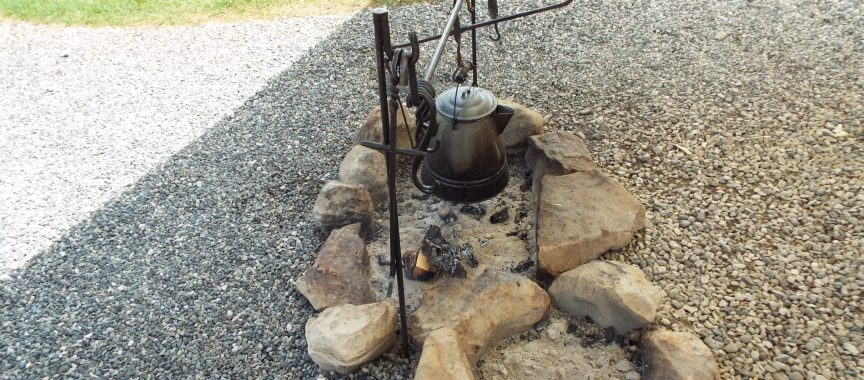
Although ‘mess wagons,’ wagons that carried food for armies, have been around since the first army marched, the development of the actual chuck wagon was credited to Charles Goodnight, Texas rancher, in 1866. A chuck wagon, which was a vital part of every trail drive, served not only as mobile kitchen and food pantry, but also carried cowboy’s bedrolls, first aid and other necessary supplies. The chuckwagon was driven by the cook, and he was often considered the right-hand man to the trail boss and held a high position among the crew.
The chuck wagon cook established the camp each evening, preparing the meal, usually coffee, biscuits, beans and sometimes wild game and dried fruit. The chuck wagon also served as the social center for the cowboys; there, around the campfire, they swapped stories of the day’s happenings, sang songs and told tall tales until it was time to roll out their bedrolls and prepare for the next day.
Here are a few references to chuck wagons found in the early newspapers.
One of the earliest references is from North Western Livestock Journal, July 22, 1887 – A few days since Marsh and Coopers Studebaker round-up wagon was caught in cloud burst and was rolled and floated down a gulch and creek for over two mile and a half. The luckless owners thought they were out a wagon but eventually found it, only the reach and pole being broken and the lid of the mess box gone. This sounds like an Arabian Night story, but truth is stranger than fiction.
This one is interesting because it mentions a Studebaker round-up wagon. When Goodnight made his chuck wagon, he modified a Studebaker-manufactured covered wagon.
Studebaker company started with the manufacturing of wagons, and in the early 1900s began making vehicles. They were a well-know automobile company until they closed in the mid-1960s.
This from the Cheyenne Daily Leader, July 1, 1895, Souvenir Edition – This is from a much longer article- President Roosevelt’s visit to Wyoming was an incident dramatic and unique in many features. To the Cowboy president it was entirely a natural and human episode, a revival of pleasant memories and experiences.
The man who had so often worn the spurs, the sombrero, the cartridge belt, and “fanned the breeze” on the American mustang, trailed cattle on our plains and hunted inour mountains, was at home in Wyoming. The man who had so often eaten flapjacks, bacon and beans, from the tail end of a mess wagon, or hunted “buffalo chips” at nightfall to fan into a fire to cook a cup of coffee, or lain blanket or down on mother earth wrapped in a blanket or under a “paulin,” looked into heaven’s firmament brilliant with stars or flooded with glorious moon light, listened to the sharp cries of the coyote, sat by many a camp fire in mountain parks where the murmur of rustling pines and the falling waters of some mountain stream made the music which lulled him to sleep was at home in Wyoming.
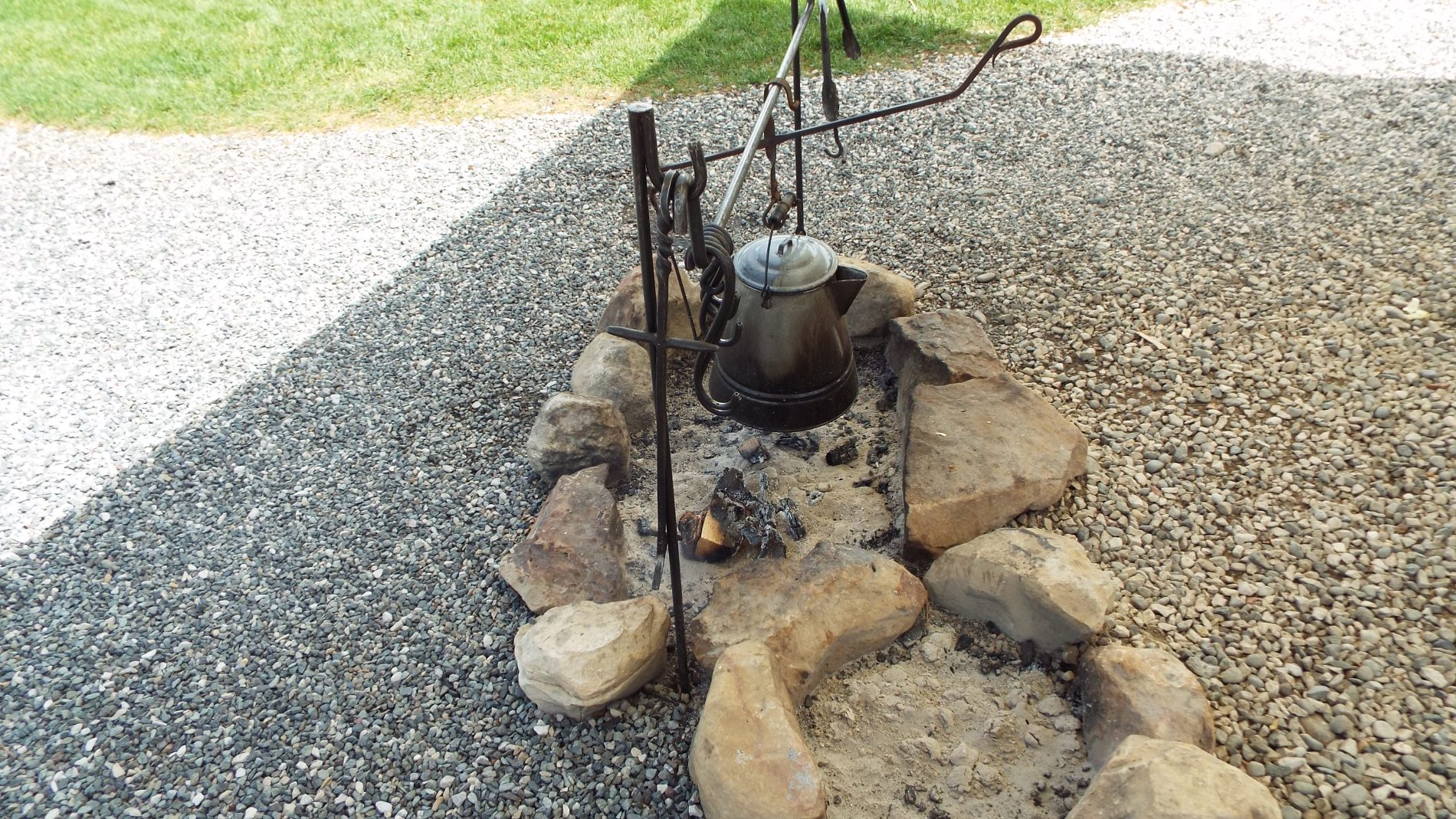
The heyday of the trail drive, and by association the chuck wagon, was during the years following the civil war up into the late 1880s.
The story from North Western Livestock Journal, June 27, 1884 talks about the ending of the era.
Dodge City, Kansas – The great through Texas cattle drive is fairly upon us, and the country surrounding Dodge City is literally swarming with long horns from the Lone Star stale. The drive is variously estimated at from 350,000 to 500,000 head, but of course the latter number, we think. is little extravagant. While that number may leave the state, yet not more than about 300,000 head will find their way to the northern states and territories. This even is an increase over former years for this section.
Many of the drovers, as well as local ranch-men, think this will In the last year cattle will be driven up the trail, and that the programme (sic)will be changed next season.Instead of being driven they will be shipped by rail. The numerous changes in route and the trails over which the cattle have been brought to the north in years gone by have given great annoyance to the stock and ranch-men of western Kansas. The county is being covered with improved stock, and the large ranges secured by local stockmen in theirown rightare promptlyfenced, thus narrowing and limiting that section of country over which Texas cattle roamed and passed in former years without hindrance or delay, which virtually compels both to seek new- method in carrying on the great cattle industry “of the western plains, not only as concerns the local ranchmen, but the drover as well.
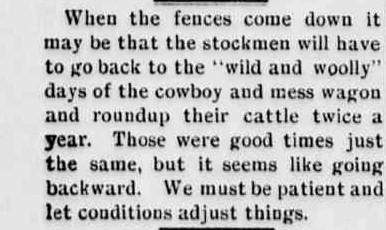
The Lusk Herald, April 4, 1907
Not exactly sure why they thought the fences were going to come down, but it is an interesting tidbit.
Progress changed the range cattle culture, with automobiles replacing horses on the chuckwagons. – Rock Springs Rocket November 26, 1920 – Pitchfork. Wyo., Nov. 24.-The old timers can sigh once more for “the good old days,” for another chapter in the passing of the west has been started by the appearance of a motor truck as a substitute for the time honored mess wagon of the roundup crew of a big outfit on the ranges, No more will the driver of the “chuck wagon” bare to prod his tired horses in a vain effort to keep ahead of the cowpunchers, and more than likely spurs will be used on the cow ponies in order to keep pace with the modern “wagon”.
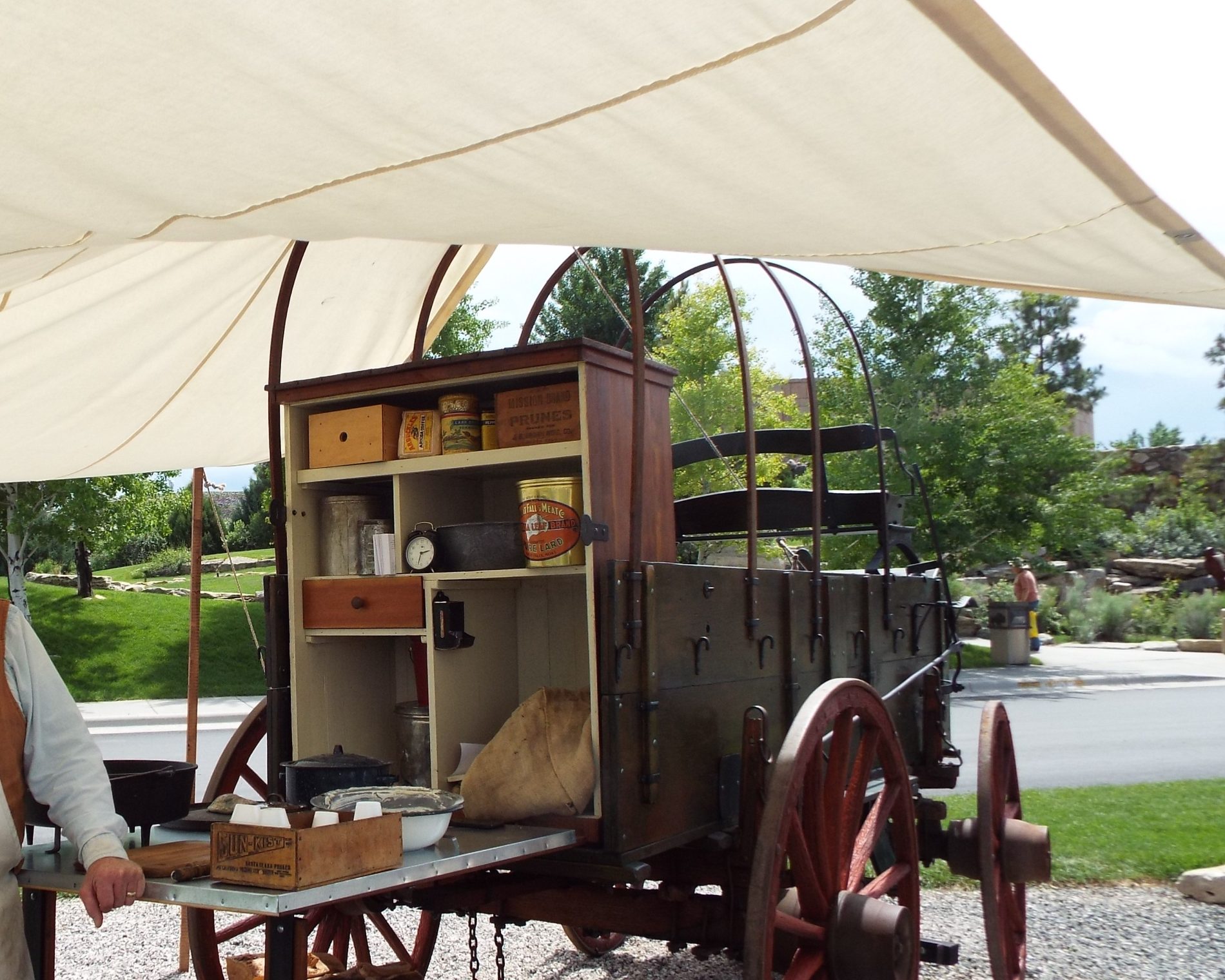
Later, as the trail drives ended, and the open range became fenced, chuckwagons were no longer needed on the ranches, but they became a part of the cowboy legacy.
This from Wyoming State Ledger, June 27, 1922 – The Only Frontier Show. This is a Souvenir Giving History and Everything Pertaining to the Great Frontier Days Celebration Each Year at Cheyenne, Wyoming What Does the Annual Event at Cheyenne Mean to the World? The annual Frontier show at Cheyenne, the wildest of all, means more than just a yearly opportunity for riders and ropers to win price money. It has to the real frontiersman a meaning much deeper than just a show — it means a vivid portrayal of the old days of glory that they lived through when Wyoming was a cow state—when there was not a single barbed wire fence from the Colorado to the Montana state lines — when the only known means of travel away from the Union Pacific was the stagecoach, the farm wagon and the cayuse; and the latter was far and away the one most used. It means a return in memory to the days when a cowboy thought nothing of riding from 50 to 100 miles to attend a dance and then repeat the ride going back home, only to stand night herd the next night — the days when the howl of the coyote was the lullaby to which he went to sleep at night— when the chuckwagon was both a haven of rest and refreshment to all who chanced that way —when a man’s hospitality was measured only by what he had. These days have passed on with other things before the march of progress and the homesteader is fast settling on the lands where the cow formerly browsed contentedly —where the buffalo and elk, the deer and the antelope roamed at will, and where there were none to dispute their right. but as long as there is a ranch left in the state — as long as there is a cowboy or it cowgirl — so long will the thrill of the. Greatest of all wild west shows call them to Cheyenne to again live the life they and their fathers lived in the bygone; and the old time ranchers and Indian fighters — the men and women who blazed the trail for the present generation —will continue to be present at each succeeding show as long as life lasts and they have the power to see and enjoy the scenes of long ago the scenes which can never again be enacted except for the great frontier show, the child of the brain of W.H. Angler.
Rodeos and other venues began offering chuckwagon feeds and many rodeos have chuckwagon races as well. The most famous chuckwagon races are at the Calgary Stampede in Calgary, Alberta. There is also a World Professional Chuckwagon Association and the Canadian Professional Chuckwagon Association, which participate in the races.
The chuck wagon, a smart way to bring food to the trail hands, and an essential part of any trail drive, now passed into history.
“}]]

More Like this



Last modified: March 30, 2026