
News – Sheridan Media
[[{“value”:”
Most everyone has heard of Teddy Roosevelt and his ‘Rough Riders.” This nickname was given to the 1st United States Volunteer Cavalry, which was a regiment raised in 1898 by President William McKinley to fight in Cuba in the Spanish–American War. They were the only regiment to see combat. The war in Cuba came about after the sinking of the USS Maine, a battleship.
This story in the Diamonville News, December 21, 1898 is about the Rough Riders. – The cow puncher has his big rawhide boots square down on one of the big illuminated pages of history, says the Denver Republican. He has put his foot in it, to his undying glory and to the utter eradication of all the slighting things that have been said about the unruly herder of stampeded steers on wild western pining. Col Roosevelt never tires of lauding his regiment of rough riders, the basis of which, he says, is the cow puncher. There are ex-policeman, Harvard men, country doctors, dudes and heirs to millions in his regiment, but the framework of the organization that has won fame in Cuba is the cow boy, bronzed, daredevil, loud and un-veneered.
“They scrapped by nature,” says Roosevelt, and apologizes for the language, while sticking to the assertion. They were not ambushed. ‘They knew where the Spaniards were and hit them because they wanted to. They had not had any excitement, Life without a little scrap was intolerable. Anything would do to liven things up a bit. The cowpunchers had not had even a good yell since they left Arizona and Oklahoma. The light in the tropical undergrowth was just like a day off in town to most of those uncouth fellows, every one made of heroic stuff.
The rough riders will go into history along with other immortal lighters – the Light brigade, Napoleon’s imperial guard, Xenophon’s ten thousand, Caesar’s Tenth legion; mid they will by and by get into fiction as successors to the White company of Conan Doyle and the Zulu grays of Rider Haggard.
And their names will be fragrant of romance, and their deeds magnified and gilded, will thrill many a fireside circle in the golden days that are to come. It is worth something to be one of Teddy’s Terrors.
But Roosevelt wasn’t the only commander to lead ‘cowboys’ into battle. Wyoming’s Col. Torrey, Big Horn Basin rancher commanded his own unit, Torrey’s Rough Riders. Some of the men who volunteered to go to Cuba and fight with Torrey were from Sheridan.
This from the Big Horn River Pilot, June 29, 1898 – The Torrey Cavalry. All Equipped, Drilled and Ready for the Fray. The Rawlins Journal, speaking of the Torrey troopers now on their way to the scene of future operations against the dons, has the following to say regarding the troop and its equipment.
“The Torrey troopers have received orders to go to Jacksonville, Florida, and await their orders to go to the front. They will probably become a part of the 7th army corps under General Lee – it seems to be unknown at present whether the lads will go to Puerto Rico or Cuba, as late dispatches state that Gen. Lee’s corps will remain a month at Jacksonville until thoroughly organized and equipped, and held in reserve in case additional forces are needed at Santiago or Puerto Rico, or until the time is ripe to attack Havana when his corps will be placed actively at work.
“The Craig-Jorgensen carbines, which have been furnished the troopers, can be utilized first as single loaded, second as six-shooters, and third as single-loaded carbines; the magazines at the same time being filled and by a single motion converted into the six-shooters. The magazine has a capacity of five shells, with one in the breech make the gun a sixshooter. The carbine is 41 inches long being eight inches shorter than the rifle used by the infantry.
It weighs 7 1/2 pounds, burns smokeless powder and fires a steel bullet and will kill at two miles. The new cartridge belts-hold an even 100 rounds of ammunition. These with two 45 Colt’s revolvers and knives, will enable the boys to put up a very stiff scrap when the occasion calls for one. Carbines are not the only things Torrey’s men are inspecting with pleasure. The saddles, bridles and saddlebags have likewise been issued. The saddles and bridles are given to the men in pieces and are to be put together by them.
The saddle-bags are things of beauty and will doubtless prove a joy forever. They are a soft, flexible leather and are made for convenience. In one are meat pans, knives, forks and spoons, with a large, heavy tin cup. In the pockets of the other were found little canvas bags for carrying salt.
“The Wyoming troops have all selected bay horses for their mounts. There will be two troops of black, two troops of chestnut and eight troops of bays. The horses bear the U.S brand on their left shoulder and the number of the horse is branded on the left forefoot.”
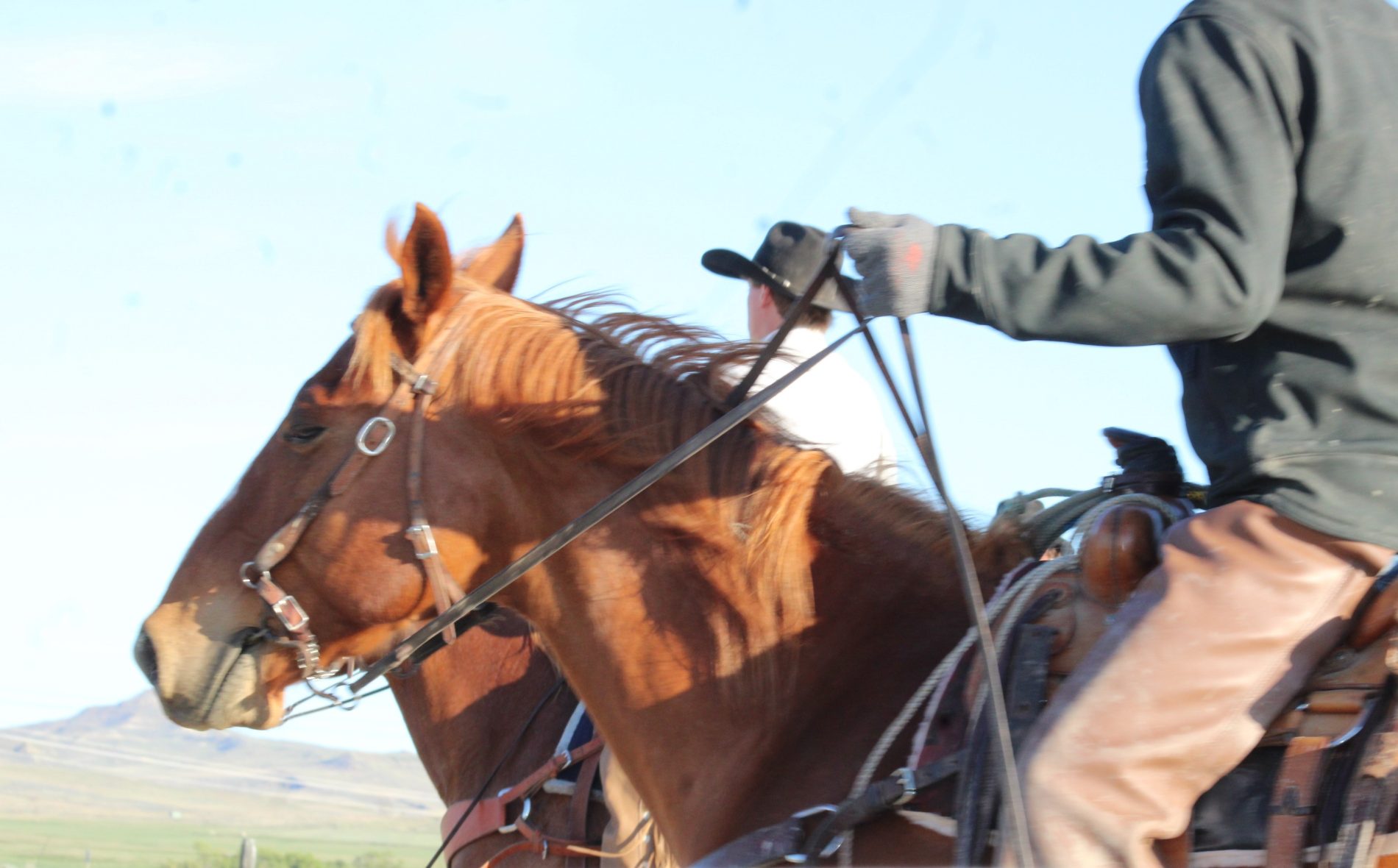
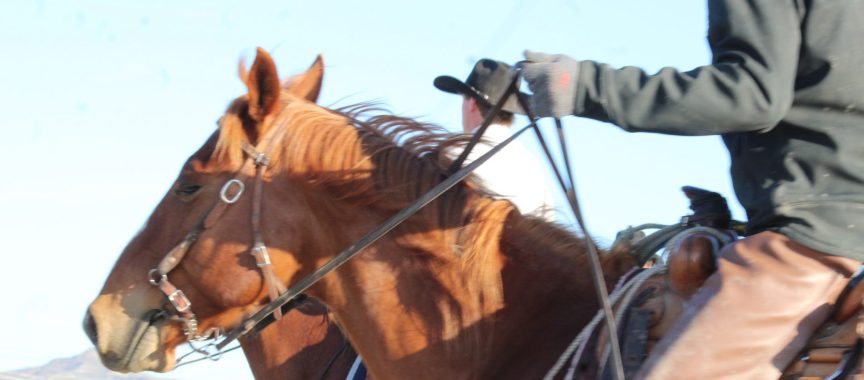
This was interesting. It would have been pretty cool to see the units with all the same color horses. It would probably have been an easy way tell which troop was which as well.
The small item from the The Meeteetse News, May 17, 1923, talked about one of Torrey’s rough riders – Jack Clark, 55, former stockman, mayor of Powder River, and pioneer stage driver, died at a Casper Hospital. He had a picturesque career and for years resided on the “Goose Egg” ranch near Bessemer, which furnished a setting for many incidents in Owen Wister’s novel, “The Virginian”. Clark was head packer for Colonel Torreys “Rough Riders” during the Spanish-American War.
Although not even twenty years since the end of the Plains Indian Wars, many Western men were still involved in America’s wars. Cowboy soldiers, many from Wyoming and some from the Sheridan area, fought with valor in “Rough Rider” units in the Spanish-American War.
“}]]

More Like this

Last modified: May 25, 2026