
News – Sheridan Media
[[{“value”:”
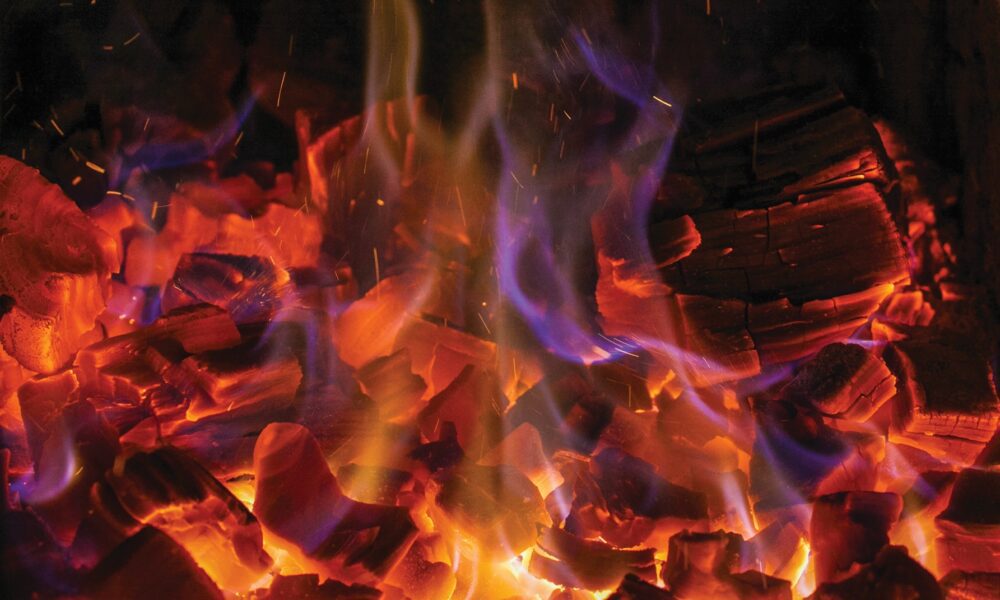
Wyoming is still in the midst of a complex wildfire season.
While the state has not at this point seen as many large acreage fires and threatened primary structures as neighboring states, we have experienced multiple days with 10 to 20 new wildfire
starts, requiring extensive coordination with local, state and federal partners.
Wyoming has seen nearly double the number of starts this summer compared with what the state has experienced at this point in 2024.
Wyoming takes an “all hands, all lands” approach to wildland fire management.
“Early coordination meetings between federal, state, and local fire leadership over the winter and into the spring at all levels, executive to local, have helped us build important relationships that focus on supporting each other no matter the jurisdiction,” said Wyoming State Forester Kelly Norris. “That level of cooperation demonstrates how strong our interagency partnerships have become and how important they are during periods of high fire activity.”
Wyoming State Forestry Division’s expanded wildland fire resources have been crucial this fire season.
As of Sept. 1:
Wyoming Helitack has responded to 30 fires and our medium helicopter has supported 30 fires; together, these aircraft have delivered more than 246,000 gallons of water since early June.
Four contracted Single Engine Air Tankers (SEATs) have responded to 39 fires in 13 Wyoming counties, plus Montana and Nebraska; together, these aircraft have delivered more than 236,000 gallons of retardant, including more than 180,000 loaded from Thunder Basin SEAT Base at the Gillette Airport.
Gannett Peak Module based in Lander has supported suppression efforts on 11 fires in eight counties.
Pronghorn Module based in Douglas has responded to 22 fires in six counties.
The Wyoming Smokebusters inmate handcrew has responded to 14 fires across eight counties
As of Sept. 1, Wyoming has had 28 Emergency Fire Suppression Account fires estimated to cost $9 million.
The EFSA account changes adopted last year by the Wyoming Legislature have saved the state millions of dollars.
In 2024, under old EFSA rules, 24 EFSA fires cost $37 million.
So far this year, EFSA fires have burned approximately 40,000 acres.
EFSA fires in 2024 burned 636,000 acres of state and private lands.
“The Emergency Fire Suppression Account rule changes adopted last year, which emphasized aggressive initial attack, are proving successful,” Norris said. “Fires are being contained more quickly, incident durations are shorter, and we’re reducing reliance on more expensive out-of-state resources while ensuring firefighters have the personnel and aviation support they need to safely suppress fires.”
The U.S. is currently at a National Preparedness Level 5, the highest level of national wildfire response.
The National Multi-Agency Coordination Group sets these levels at 1 (lowest) through 5 (highest) based on fire activity, weather, fuel conditions and resource availability.
Major fires in Washington, Oregon, Idaho and Utah have drawn firefighting resources from across the nation.
Though summer is coming to a close, fire weather and drought conditions are still present across Wyoming.
Check fire restrictions in your jurisdiction and take care when burning.
“}]]

More Like this


Last modified: September 7, 2026