
News – Sheridan Media
[[{“value”:”
Sheridan and the surrounding area are no stranger to hailstorms. Some years ago, a hailstorm blew into north Sheridan and damaged several vehicles.
More recently, during the Clearmont Day Celebration near the end of June, hail stones as large as ping-pong balls fell in the area, putting a slight damper on the celebration.
Here is a look at some hail storms that hit Sheridan in the early days.
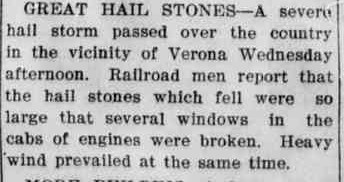
Sheridan Post Friday, June 4,1909 – Rain And Hail Swell Streams Reports Of Damage To Many Bridges And Culverts. Along Several Creeks: Stage Driver Forced to Ford Piney and Little Goose to Get Mail to Buffalo —Hail Big as Walnuts Fall in Sheridan. One of the worst storms ever experienced in this section of Wyoming did considerable damage to property today. As a result of the heavy rainfall every stream in Sheridan county was swollen to an alarming extent Wednesday morning, many fearing that still more damage would be done. As the day wore on, however, the floods receded, and it is believed the greatest danger has passed. The showery conditions that have prevailed here for several days reached a climax shortly after 3 o’clock on Tuesday afternoon when a hard thunderstorm came up suddenly and rain fell in torrents, accompanied by hall. The storm swept this city at a furious rate. lasting just eight minutes, during which time hail stones as large as walnuts battered buildings of every description. Fortunately, the damage to residences was not as great as many feared. Windows were broken here and there. Probably the greater damage was done to fruit trees, which were in full bloom Many of the trees were stripped of all leaves and blossoms. The path of the storm was not very wide, confining the damage to a comparatively narrow strip.
The hail broke the skylight of Lumbard’s photograph gallery on North Main street. Stage drivers returning from country districts reported heavy damage to bridges and culverts along Piney creek and other streams in Sheridan and Johnson counties. Three bridges spanning the Piney were washed out entirely, one of these being located near Kearney, an important thorough fare in that section.
Outside of the telephone, all communication with Buffalo was shut off Wednesday. In addition to the bridges being out, the roads were in an almost impassible condition. The mud was hub deep. In order to get the mail to Buffalo it was necessary to ford Little Goose creek at Big Horn, and farther on the Piney.
A force of men worked hard all night on the Wrench ranch, Just north of the city. Water in the Little Goose rapidly and threatened the head gate, but the men prevented any damage. Fearing a flood several families residing in the vicinity of Cutter’s brickyard, moved during the night to the hills nearby. The water did not get out of the creek banks, although it skimmed along close to the body of bridges through the city, threatening to carry them out.
One has to remember, that back in 1909, the roads in the area were dirt or gravel. So it didn’t take much rain to make them impassable. Bridges washing out was a frequent occurance.
As Sheridan back them depended a great deal on the area agriculture, hailstorms could be devastating to farmers, which hurt the economy of the area.
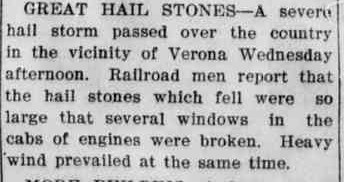
Sheridan Daily Enterprise, October 22, 1909
This from The Sheridan Post, July 12, 1894 – Crops Destroyed or Damaged in Two-Mile Path From Hills To Clearmont, Reported Here – Sheridan-Buffalo Road Washed Out in Places. Grain Total Loss in Sections, Hay Flattened to Ground. A hailstorm that swept the Clear Creek valley from the Big Horn mountains near Lake DeSmet to Clearmont between 3 and 4 o’clock Thursday the storm destroyed grain, washed out parts of the Buffalo Road, damage hay and fruit, tore out ditches, killed poultry and damaged houses and automobiles, according to word received here from Buffalo and Johnson county ranches.
The storm cut a swath down the valley about two miles wide, according to reports. Many of the hail stones were as large as hens’ eggs, it was said.
Destruction of grain crop was complete in many instances, it is believed, while much of the hay may be saved if cut at once. Many other crops were damaged to some extent. The storm, which was fiercest south of Lake DeSmet, had moderated greatly by the time it reached Clearmont and is believed to have ended there. Reports from Buffalo residents stated that it lasted less than 15 minutes where it struck. It skirted North Buffalo. Tops of automobiles were ripped off and shredded by the stones, and windows in houses were broken. A woman tourist camped on Rock creek was struck and badly bruised by the stones. Unconfirmed reports stated that high water following the storm had damaged roads and bridges on other highways besides that from Sheridan to Buffalo.
Of course, insurance companies were quick to see an opportunity here.

The Sheridan Post, May 30, 1920
One time a storm even took a young life. This from The Daily Enterprise, July 25, 1912.
Child So Fearfully Bruised By Hail Stones That She Succumbs Little Daughter of M. Walsh, Rancher On at Creek Northwest of Sheridan Was Caught Out In Storm Fearfully Bruised Before She Could Be Rescued— Great Damage Done By The Storm Sunday – Caught out in the fearful hall storm that swept over the northern and the northwestern portion of Sheridan county Sunday evening, the little three year old daughter of Mr. and Mrs. M Walsh, ranchers living on Hat creek, was so fearfully bruised and battered by the rain of hailstones that she died Monday afternoon. Word has Just been received in the city by relatives. Mrs. Rule of Ranchester is a sister of Mrs. Walsh.
The child had been playing in the yard and was some distance from the house. The storm came on so quickly that the child was entirely beaten to the ground before she could be carried to safety. The storm was the worst in the history of that section of the country, and reports of its destructiveness have just begun to come in. The fall of hail was so heavy that for two or three days, afterward, it could be seen lying unmelted on the upper hills.
The storm raged from Ohlman to tbe Montana line, but Dayton and vicinity escaped. It spread east from Parkman to the Tongue river. At least $25,000 to $35,000 damage was done to the winter wheat crop alone not estimating the loss to the hay and other crops.
The winter wheat was ready for the harvesters, and Monday would have found numbers of the farmers In the field with the cutting in full blast. The crops of J. W. Anderson, B. F. Barker and E. M. Owen whose ranches lie along the divide near the Montana line were totally destroyed by the storm which lasted just ten minutes. This grain was a most promising crop and was estimated would make at least thirty-five bushels to the acre. Ed Owen had one field of eighty-one acres beaten into the ground, so that after the hail appeared it was like a new plowed field. This grain would have yielded from thirty-five to forty bushels to the acre.
Charles Paulus was in Dayton Tuesday and reported the hail losses as even greater than was first estimated. Mr. Paulus will use a mowing machine in trying to cut what little wheat is left on the ground since being swept by the hail in order to save as much as possible of the grain lying flat on the ground, and in this manner he wilt possibly get seven or eight bushels to the acre where there stood at, least forty or forty-five before the storm. O. P. Hanna, who has a ranch in the vicinity of the storm, reports that his loss will reach at least $1,000.
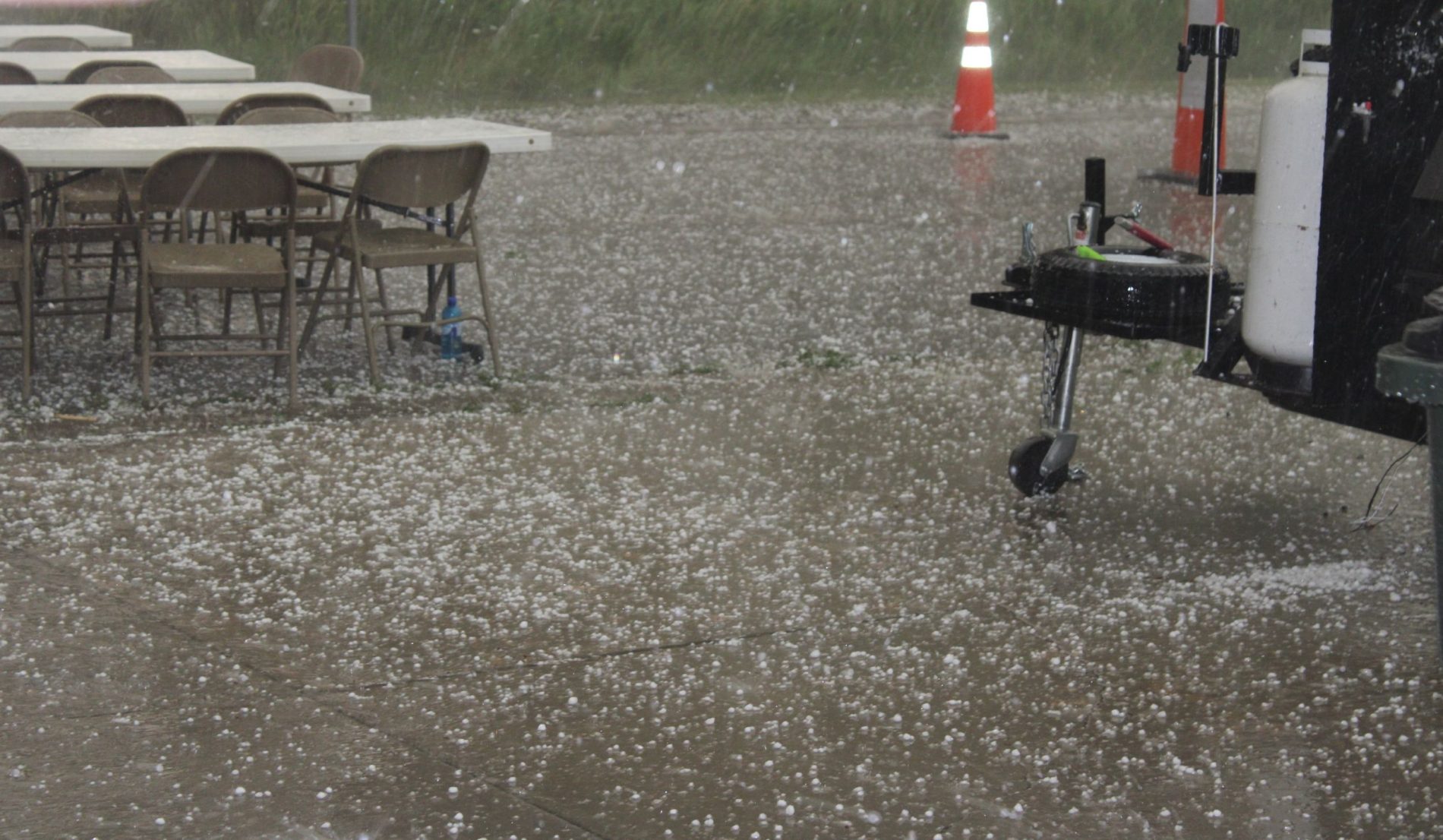
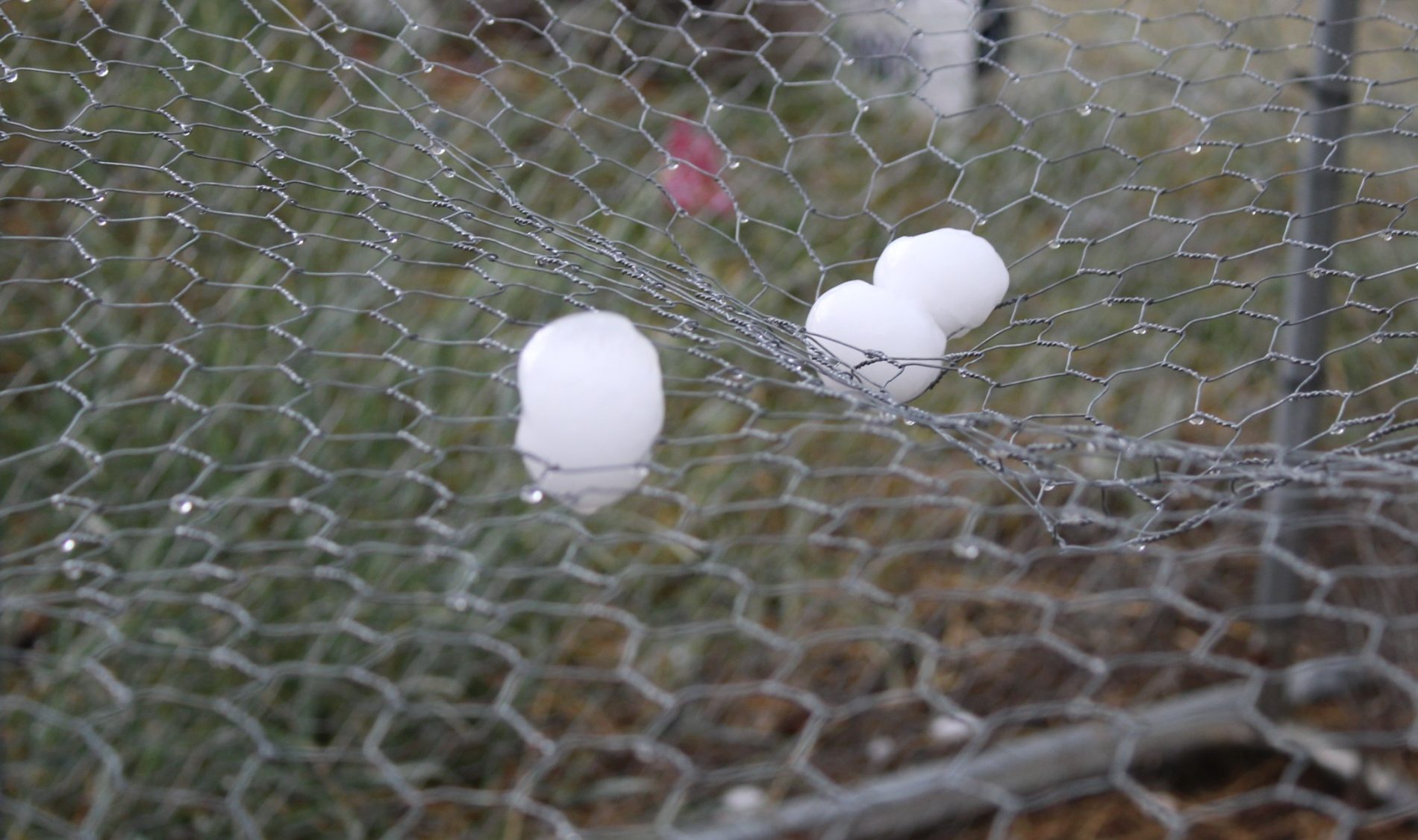
Weather in Wyoming can turn from sunny to a thunderstorm in minutes sometimes. A hailstorm can be very destructive on gardens and crops and small livestock, such as chickens if they can’t find shelter. Cars can be dented and windows, in houses and cars, can be broken by large hailstones. As seen in the above story, even a young child was killed by hail stones.
Luckily, most storms are not that damaging, but it pays to use caution when working or playing outside, and watch the weather before making outdoor plans.
“}]]

More Like this




Last modified: August 31, 2026