
News – Sheridan Media
[[{“value”:”
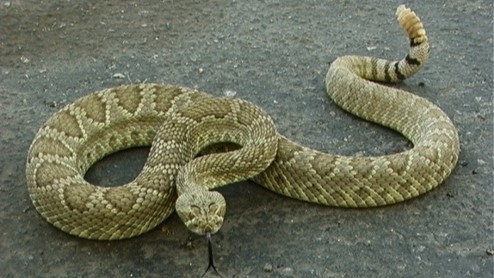
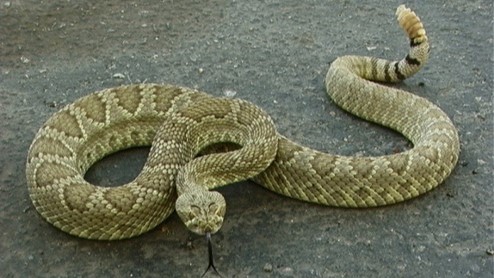
While Wyoming is home to 15 snake species, only two are venomous, both of them rattlesnakes.
In Wyoming’s high mountain desert ecosystem, the Midget Faded Rattlesnake hides in rocky areas, dead trees and near water sources such as Flaming Gorge. In northern Wyoming, including areas near the Bighorn National Forest and Bighorn Canyon, the Prairie Rattlesnake is more abundant. Rattlesnakes are pit vipers and are capable of inflicting potentially fatal bites. According to the National Park Service, while Prairie Rattlesnakes are present in the Bighorn Mountains, they are relatively rare in higher-elevation backcountry areas and are much more common in lower-elevation foothills, rocky canyons and prairies surrounding the range, including the Bighorn Basin and areas near Sheridan.
According to the Centers for Disease Control and Prevention, many rattlesnake species can quickly and accurately strike one-third or more of their body length from either a coiled or stretched position. While many rattlesnakes use their rattles as a warning when threatened, they do not always rattle before striking.
Although many people grew up hearing stories of individuals cutting into a snake bite and attempting to suck out the venom, these folk remedies can increase the victim’s heart rate and, in turn, increase the speed at which venom travels through the body.
If bitten, the CDC urges people not to pick up the snake or attempt to trap it. Never handle a venomous snake, even if it appears dead or has been decapitated. Do not wait for symptoms to appear before seeking medical attention. Do not apply a tourniquet, as doing so can localize venom and increase tissue damage. Do not apply ice or immerse the wound in water. Do not consume alcohol or take pain relievers such as aspirin, ibuprofen or naproxen.
Antivenom is recommended for patients showing signs of progressive envenomation, including worsening local tissue injury or systemic symptoms.
If bitten while in the wilderness, the CDC advises victims to remain calm, as an elevated heart rate can increase the movement of venom through the body.
Seek emergency medical attention immediately to begin treatment with antivenom.
Have the victim lie or sit down with the affected area in a neutral position of comfort, if possible.
Remove rings, watches and other constrictive items before swelling begins.
If available, wash the bite with soap and water.
Cover the bite with a clean, dry dressing without restricting blood flow.
If possible, use a marker or pen to outline the leading edge of tenderness or swelling on the skin and note the time.
Get to an emergency room as quickly as possible. Serious complications from a rattlesnake bite, including localized tissue damage, circulatory problems and systemic reactions, can develop rapidly. Fatalities from rattlesnake bites are rare with modern medical treatment but can occur if envenomation is left untreated.
“}]]

More Like this




Last modified: June 27, 2026